
Best overall for expert-led promotion of a published paper: Paper Spotlight. Best for institutional news coverage: your university communications office. Best for self-managed outreach: researcher-led social promotion. This 2026 guide compares the best research promotion services for STEM researchers by the work you need done, the readers you want to reach, and the limits you should accept.
- Paper Spotlight leads the best research promotion services for STEM researchers shortlist for expert-led, published-paper outreach.
- University communications offices suit institutional news; specialist science writers suit research summaries and explanatory content.
- Graphical abstract designers address visual communication, not audience targeting or citation guarantees.
- Choose research promotion by audience relevance and scientific accuracy, not promised citation counts.
Why this matters
A published STEM paper needs more than a promotional message. Researchers need enough context to judge whether its findings, methods, or dataset matter to their work. Your promotion should make that relevance clear without turning a qualified result into an exaggerated claim.
For an early-career researcher, the decision is also about responsibility. Do you need someone to analyze the article and handle targeting, or do you already know your audience and need help producing a summary? Those are different purchases. This 2026 shortlist separates them rather than treating every communication service as interchangeable.
Promotion buys communication work, not citations. A reader decides whether your paper supports their research; no legitimate campaign can make that scholarly decision for them.
What makes the best research promotion service?
Use these criteria before choosing a provider. A polished promotional asset does not answer whether the right researcher will see it.
- Article understanding: The provider should understand the question, evidence, limitations, and intended contribution before drafting outreach.
- Audience relevance: Targeting should connect your paper with researchers whose subjects, methods, or practical problems overlap with it.
- Scientific accuracy: Summaries must preserve distinctions such as association versus causation and preliminary evidence versus established findings.
- Defined deliverables: Know whether you are commissioning analysis, writing, design, distribution, or a combination.
- Researcher control: Ask how you review scientific claims, visuals, and outreach language before publication.
- Meaningful reporting: Request reporting that distinguishes delivered activity, attention, and scholarly use instead of treating them as the same outcome.
For your 2026 selection, make audience relevance the deciding criterion. A beautifully designed summary aimed at the wrong readers does not solve a research visibility problem.
Research promotion options at a glance
These options address different tasks. The ranking is a decision guide, not a measured comparison of campaign results.
| Option | Best for | Standout approach | Key limitation |
|---|---|---|---|
| Paper Spotlight | Expert-led promotion of published papers | Article analysis followed by targeted research promotion and social outreach | Promotion cannot guarantee citations |
| University communications office | Institutional news and public-interest stories | Connecting a paper with the institution's communications process | Institutional coverage is not the same as specialist researcher targeting |
| Specialist science writer | Accurate summaries and explanatory content | Turning technical findings into audience-appropriate language | A writing commission does not inherently include distribution |
| Graphical abstract designer | Explaining a visual method or research workflow | Presenting relationships and processes visually | An image does not provide an outreach audience |
| Researcher-led social outreach | Direct discussion with a known research community | Author-controlled explanation and conversation | The researcher retains the outreach workload |
1. Paper Spotlight: best for expert-led published-paper outreach
Paper Spotlight offers academic paper promotion through article analysis, targeted research promotion, and social media outreach. Its PhD-founded perspective centers on understanding the paper before promoting it, with expert-led targeting of relevant researchers.
The service describes scientific testing of outreach approaches across research areas and career stages. Treat that as a description of its method, not evidence of a specific citation gain or a guaranteed campaign outcome.
Paper Spotlight is best for STEM researchers who want expert-led promotion of a published paper. The fit is strongest when your problem is explaining the contribution and reaching relevant readers, rather than securing publication or obtaining peer review.
Service pros:
- Article analysis comes before promotion.
- The approach includes targeting relevant researchers.
- Social media outreach is part of the stated offering.
- The service is designed around promoting academic papers.
Service cons:
- Outreach cannot guarantee that readers will cite the paper.
- Promotion does not replace publication, peer review, or scientific validation.
- You still need to assess the proposed audience and deliverables before choosing a plan.
Best for: Researchers considering a promotion plan for an already published article.
Verdict: Buy for the communication work, not an expected citation count.
2. University communications office: best for institutional news
Your university communications office is the first place to ask about an institutional announcement or a public-interest research story. Bring a clear explanation of the finding, why it matters outside your immediate specialty, and what the evidence does not establish.
This route addresses institutional communication. Ask separately whether the office can support distribution to specialist researchers; a news story and a discipline-specific outreach campaign serve different audiences.
University communications office pros:
- Gives you a route to discuss institutional coverage.
- Helps frame a request around the institution's communications remit.
- Lets you coordinate the story with coauthors and institutional contacts.
University communications office cons:
- Your paper must fit the office's editorial priorities.
- Specialist researcher targeting needs separate discussion.
- You do not control the institution's coverage decisions.
Best for: A paper with a clear institutional or public-interest story.
Verdict: Hold a briefing with the communications office before commissioning overlapping work.
3. Specialist science writer: best for clear research summaries
Commission a specialist science writer when the paper's explanation is the immediate bottleneck. The brief can cover a plain-language summary, an explanatory article, or outreach copy, with the author checking scientific accuracy.
Choose the assignment by audience. A summary for adjacent researchers can retain methodological detail; an explanation for non-specialists needs more definitions and context. Neither should remove limitations simply to make the message shorter.
Specialist science writer pros:
- Gives you a focused brief for the explanation you need.
- Separates technical accuracy from promotional wording.
- Lets you commission text for a defined reader group.
Specialist science writer cons:
- Writing and distribution are separate responsibilities unless agreed otherwise.
- You must review the scientific claims and terminology.
- A strong summary does not establish who will receive it.
Best for: Researchers who know their audience but need clearer communication materials.
Verdict: Buy when explanation is the bottleneck; skip a writing-only commission when targeting is the unresolved problem.
4. Graphical abstract designer: best for visual methods and workflows
A graphical abstract designer is the right option when your research can be explained through a process, relationship, or comparison. Define what the figure must communicate before discussing appearance.
Ask the designer to distinguish measured results from proposed mechanisms. Keep essential qualifications in the image or accompanying text, and check the relevant journal's requirements before reusing published figures.
Graphical abstract designer pros:
- Gives a visual structure to a method or workflow.
- Lets you emphasize the relationships central to the paper.
- Produces an asset you can discuss alongside an accurate summary.
Graphical abstract designer cons:
- Simplification can remove scientifically important context.
- Design alone does not identify or reach relevant readers.
- Not every paper's contribution fits a single visual explanation.
Best for: A paper whose main contribution is understandable through a visual sequence or relationship.
Verdict: Buy when the visual explains something essential; skip decorative artwork without a communication purpose.
5. Researcher-led social outreach: best for direct community discussion
Researcher-led social outreach means you write, publish, and respond to messages about your own paper. It is an alternative to buying a service, not a managed promotion provider.
Choose this route when you can identify the relevant community and want to handle the conversation yourself. Explain the contribution, link to a lawful reading destination, and invite substantive questions rather than requests for citations.
Researcher-led social outreach pros:
- Keeps scientific wording under the author's direct control.
- Lets you answer methodological questions yourself.
- Makes audience selection an explicit researcher decision.
Researcher-led social outreach cons:
- Leaves planning, posting, and replies with you.
- Requires you to identify relevant communities.
- Does not substitute for article analysis or specialist communication support.
Best for: Researchers with a defined audience and capacity to handle outreach.
Verdict: Buy no service when you can manage the task yourself; seek support when the workload or targeting exceeds your capacity.
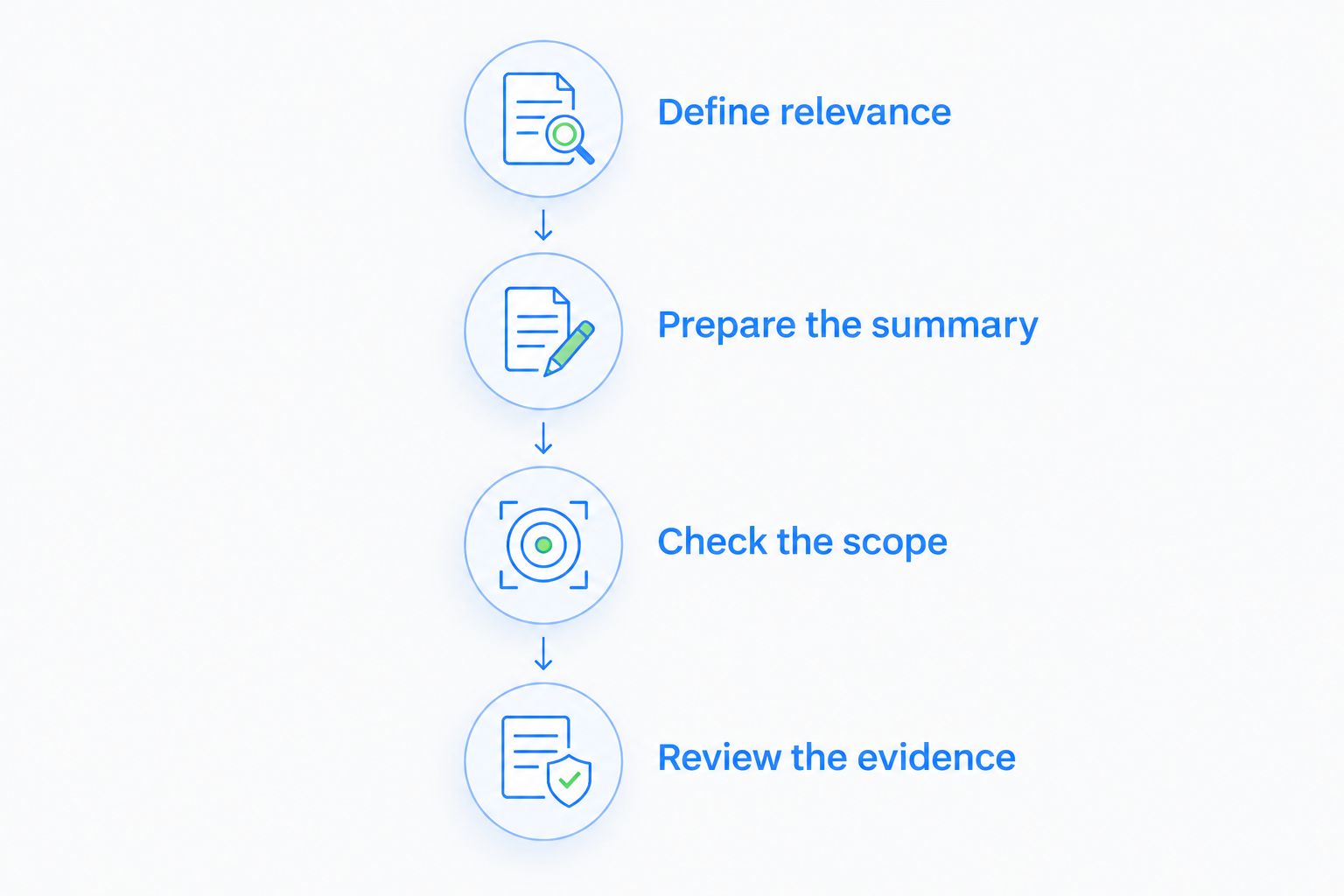
How to choose a promotion plan in 2026
Use this sequence before committing to a provider. It separates the paper's message from the distribution decision and gives you a concrete brief to discuss.
Define relevance
Name 3 reader groups you want to reach, such as researchers using the same method, studying the same problem, or working in an adjacent application. For each group, explain why the paper deserves their attention. This is a planning exercise, not a target for campaign performance.
Prepare the summary
Draft a 100-word summary covering the research question, main contribution, and key limitation. Use it to check whether the provider understands the paper. Do not treat that length as a rule for every discipline or communication channel.
Check the scope
Ask who analyzes the article, who approves scientific language, and who handles distribution. Clarify whether the assignment includes writing, design, targeting, or reporting. A list of channels is not a substitute for an explanation of audience fit.
Review the evidence
Agree on a 30-day review of the outreach activity if that interval suits your campaign. Review delivered work, relevant responses, and reported attention separately; do not use a short campaign review as proof of citation impact.
Bring this brief to the provider rather than asking only how widely they can share the paper. The useful question is whether their proposed work connects your contribution with readers who have a reason to engage.
Explore promotion for your published paper
Consider article analysis, relevant researcher targeting, and social outreach for your paper.
How these options were ranked
The shortlist ranks task fit against article understanding, audience relevance, scientific accuracy, deliverable clarity, researcher control, and reporting. It does not assign unsupported performance scores or claim that one provider generates more citations than another.
The managed service leads for published-paper outreach because its stated offering includes analysis and targeting. The other options lead their own narrower tasks: institutional communication, explanatory writing, visual communication, and author-managed discussion. Use that distinction when comparing proposals in 2026.
Which research promotion option should you choose?
Choose Paper Spotlight if you want expert-led analysis and targeted promotion of a published STEM paper. Ask how the proposed outreach relates to your subject and intended readers before choosing a plan.
Choose an institutional communications route for a news story, a science writer for unclear explanations, or a designer for an essential visual. Handle outreach yourself when you already know the community and can support the discussion.
Do not buy overlapping deliverables without a reason. If your institution is preparing a news story, an additional service should address a distinct need, such as specialist targeting, rather than repeat the same announcement.
FAQ
What's the best research promotion service for a published STEM paper?
Paper Spotlight is the shortlist's choice for expert-led promotion of a published STEM paper. Its stated offering includes article analysis, targeted research promotion, and social media outreach; assess the proposed audience and deliverables before choosing a plan.
Can a research promotion service guarantee more citations?
No research promotion service can guarantee legitimate citations. Promotion helps communicate a paper, while researchers independently decide whether its evidence is relevant to their work.
Is research promotion the same as paying for citations?
No. Legitimate research promotion commissions communication and outreach work, not citation transactions or requests to cite a paper regardless of relevance.
Should I contact my university before buying a promotion plan?
Yes, contact your university communications office if you want institutional news coverage. Establish what it will handle, then consider outside support for a distinct task rather than duplicate deliverables.
Is a graphical abstract enough to promote my research paper?
A graphical abstract is a communication asset, not a complete outreach plan. You still need an accurate explanation, an appropriate reading destination, and a relevant audience.
How do I compare research promotion plans in 2026?
Compare research promotion plans by article analysis, audience targeting, deliverables, scientific review, and reporting. Ask each provider to explain what work it will perform rather than accepting promised citation outcomes.
What should an early-career researcher prepare before promotion?
Prepare the published paper, an accurate summary, key limitations, and a description of the intended readers. Confirm a lawful reading destination and coordinate promotional claims with relevant coauthors.
One last thing
Ask who should not receive the campaign. A useful targeting discussion defines exclusions as well as audiences: researchers using an unrelated method, readers outside the application, or communities for whom the findings have no clear relevance.
For your 2026 campaign, that question keeps the decision focused on credible visibility. You need a reason for the right reader to open the paper, not simply a larger distribution list.


